

Feeling That Nerve Pain? Here’s What You Need to Know Nerve Pain Treatment
Nerve pain, also called neuropathic pain, is not the same as regular muscle or joint pain. It happens when there is damage or a problem in the nervous system itself. Instead of sending normal signals, damaged nerves send incorrect or exaggerated messages to the brain. The brain then reads these signals as pain, even when there is no clear injury.
What Does Nerve Pain Feel Like?
Nerve pain can feel very different from person to person. Common sensations include:
- A burning feeling under the skin
- Sharp or shooting pain, like an electric shock
- Stabbing or piercing pain
- Tingling, numbness, or reduced sensation
In some cases, even a light touch, such as clothing brushing the skin, can cause severe pain. This is called allodynia. Many people notice that nerve pain gets worse at night, making it hard to sleep. Unlike common pain, nerve pain often does not respond well to standard painkillers. As the research notes, “Nerve pain can manifest in myriad ways, often proving resistant to common analgesics.“
Why Does Nerve Pain Happen?
There are too many possible causes of nerve pain. Some of the most common are included here:
- Diabetes: where high blood sugar damages nerves over time
- Multiple sclerosis (MS): an autoimmune disease that damages nerve coverings
- Injuries: Physical injuries or nerve damage after surgery
- Infections: such as shingles, which can cause long-lasting nerve pain
- Cancer treatments: especially chemotherapy, which can harm nerves
Finding the exact cause is important for proper treatment. However, in some cases, the cause remains unknown.
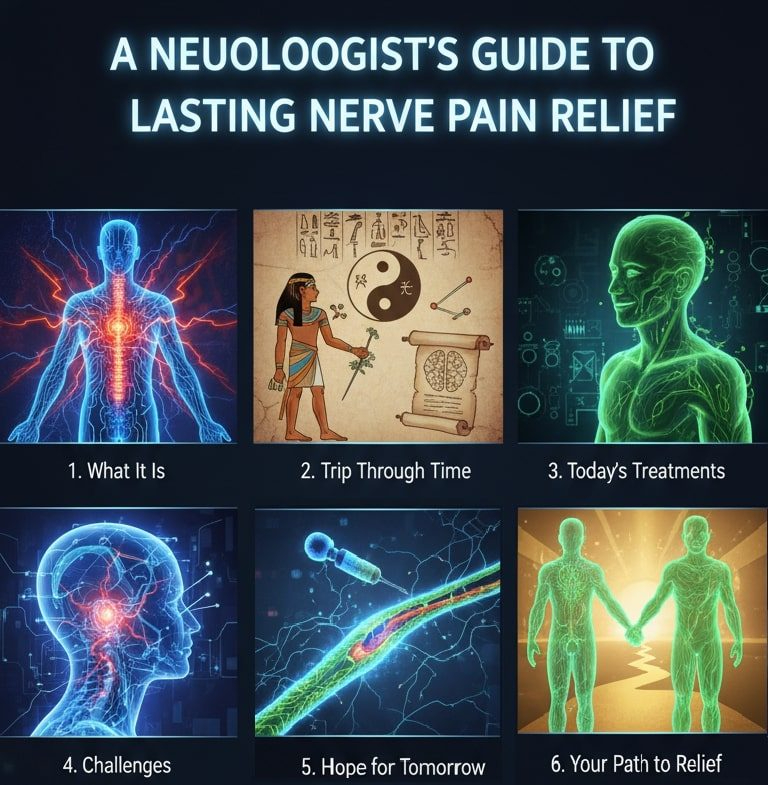
A Look Back: How People Treated Nerve Pain in the Past
People have dealt with pain for thousands of years. Before modern medicine, they used natural methods to find relief. In ancient Egypt, healers used opium from poppy plants to reduce pain and help people sleep. They also used willow bark, a plant that helped lower pain and swelling. This plant later became the base for aspirin. The Greeks and Romans also studied pain. They believed the brain controls how pain is felt. To treat it, they used herbs and simple treatments made from plants.
Different Cultures, Similar Goals
Pain treatment developed differently around the world. In China, healers created acupuncture. This method uses very thin needles placed on specific points of the body. The goal is to improve the flow of energy and reduce pain. In India, Ayurveda focused on keeping the body in balance. Treatments included herbs, massage, healthy food, and daily habits to help the body heal and reduce pain.
Early Understanding of Nerve Pain
Some early doctors noticed that not all pain was the same. In ancient Persia, doctors saw that nerve pain felt different from muscle or injury pain. They learnt that this type of pain could last longer and was harder to treat. Because of this, they began to see nerve pain as a separate medical problem, not just a symptom.
Your Neurologist’s Plan: How Nerve Pain Is Treated Today
Finding the Cause of the Pain.
Treatment starts by finding the cause of nerve pain. Many patients want to know how to cure nerves, but the first step is proper diagnosis. Your doctor will ask simple questions about your pain. They will ask when it started, how it feels, and where it hurts. Next, the doctor will check your nerves. They will test your feeling, muscle strength, and reflexes. Sometimes, more tests are needed. Nerve tests show how well nerves send signals. An MRI scan may be used to look at the brain or spine. These tests help doctors choose the right treatment and improve nerve health.
Medicines for Nerve Pain
Medicines are often the first treatment. Some medicines calm overactive nerves and reduce pain. These drugs were first made for seizures but also help nerve pain. Other medicines help change how the brain feels pain. These are often used for mood problems but can also reduce nerve pain.
Creams and Patches for Pain
When pain is in one area, skin treatments can help. Numbing creams or patches can reduce pain in the area. Some creams feel warm at first but slowly lower pain by calming the nerves.
Treatments When Pills Do Not Work
If medicines do not help enough, other treatments are available. Doctors may give injections near the nerve to reduce pain and swelling. These treatments usually help for a short time. Some people use small devices that send gentle electrical signals. These signals block pain messages before they reach the brain.
Healing with Movement and Healthy Habits
Medicine alone is not enough. Physical therapy helps the body move better and feel stronger. Gentle electrical therapy can also help reduce pain. Learning ways to handle stress can improve pain control. Talking to a therapist can help people live better with long-term pain. Daily habits matter. Eating healthy food, staying active, relaxing the mind, and sleeping well all help reduce nerve pain.
How to Get Relief from Nerve Pain
Finding relief from nerve pain requires a combination of medical care, lifestyle adjustments, and self-care strategies. Here are practical ways to manage neuropathic pain:
1. Gentle Exercise for Nerve Health
Low-impact exercises like walking, swimming, or stretching improve blood circulation and support nerve function. Physical therapy can provide targeted exercises to strengthen muscles and relieve pressure on affected nerves.
2. Heat and Cold Therapy
Applying a warm compress can relax tight muscles, while cold packs reduce inflammation and numb sharp pain. Alternating between heat and cold can be especially effective for flare-ups.
3. Mind-Body Techniques
Stress can amplify nerve pain. Meditation, deep breathing, yoga, and mindfulness techniques help calm the nervous system and reduce the perception of pain.
4. Supportive Footwear and Ergonomics
For nerve pain in the hands or feet, wearing supportive shoes or using ergonomic tools can prevent additional strain and pressure on nerves.
5. Topical Treatments
Over-the-counter creams, gels, or patches containing menthol, capsaicin, or lidocaine provide localized relief and can be used alongside prescribed treatments.
6. Healthy Lifestyle Choices
Maintaining a balanced diet, staying hydrated, avoiding alcohol and tobacco, and keeping blood sugar levels in check support nerve health and promote healing.
7. Quality Sleep and Rest
Sleep is vital for managing nerve pain. Elevating painful limbs, using supportive pillows, and keeping a consistent bedtime routine can improve sleep quality and overall comfort.
8. Emotional and Social Support
Talking to counselors, joining support groups, or connecting with others who experience nerve pain can provide both emotional relief and practical coping strategies.
By combining these strategies with professional medical care, you can reduce discomfort, improve mobility, and enhance your quality of life. Always consult your neurologist before starting new treatments or routines to ensure safety and effectiveness.
The Challenges: What to Know and Watch Out For
Strong pain medicines called opioids can reduce pain for a short time. However, they come with serious risks. These medicines can cause addiction. Over time, the body may need higher doses to feel the same relief. In some cases, they can even make pain worse. Because of these risks, doctors rarely use opioids for nerve pain. They only consider them when other treatments do not work. Even then, doctors use them very carefully.
Why Nerve Pain Is Hard to Treat
Nerve pain does not respond the same way in everyone. A treatment that helps one person may not help another. The nervous system is very complex. This makes nerve pain hard to control. Many people still feel pain even after trying many treatments. Doctors know that there is no single treatment that works for everyone. This is why care often needs to be adjusted for each person.
Possible Side Effects
Medicines for nerve pain can cause side effects. Here are some common side effects:
- Feeling sleepy
- Feeling dizzy
- Trouble thinking clearly
- Stomach problems
Patients should talk with their doctor about side effects. It is important to balance pain relief with safety. Always speak with a healthcare professional before starting or changing any treatment.
Hope for Tomorrow: What the Future Holds for Nerve Pain
Researchers are working on new medicines that treat nerve pain more directly. These medicines focus only on the pain signals in the nerves. This means they may reduce pain better and cause fewer side effects than current drugs.
Helping Nerves Heal
New treatments aim to fix damaged nerves, not just hide the pain. Stem cells may help nerves grow and heal again. If successful, this could give people long-term relief instead of short-term comfort.
Teaching the Brain a New Response
The brain plays a big role in how pain feels. New therapies use gentle brain stimulation to calm pain signals. Other methods help the brain learn new ways to react to pain. Over time, this can make pain feel weaker and easier to manage.
Small Science, Big Change
Very tiny technology is opening new doors in treatment. Nanotechnology allows medicine to reach the exact nerve causing pain. This improves results and reduces harm to healthy parts of the body.
Nerve pain can affect your daily comfort and movement. You do not have to manage it on your own. Consultant Neurologist Dr Sarmad Al-Araji offers expert care for nerve pain and weakness. He focuses on finding the cause of your symptoms and choosing the right treatment for you. Early care can lead to better results and lasting relief.
Book your appointment today and take the first step toward better nerve health.